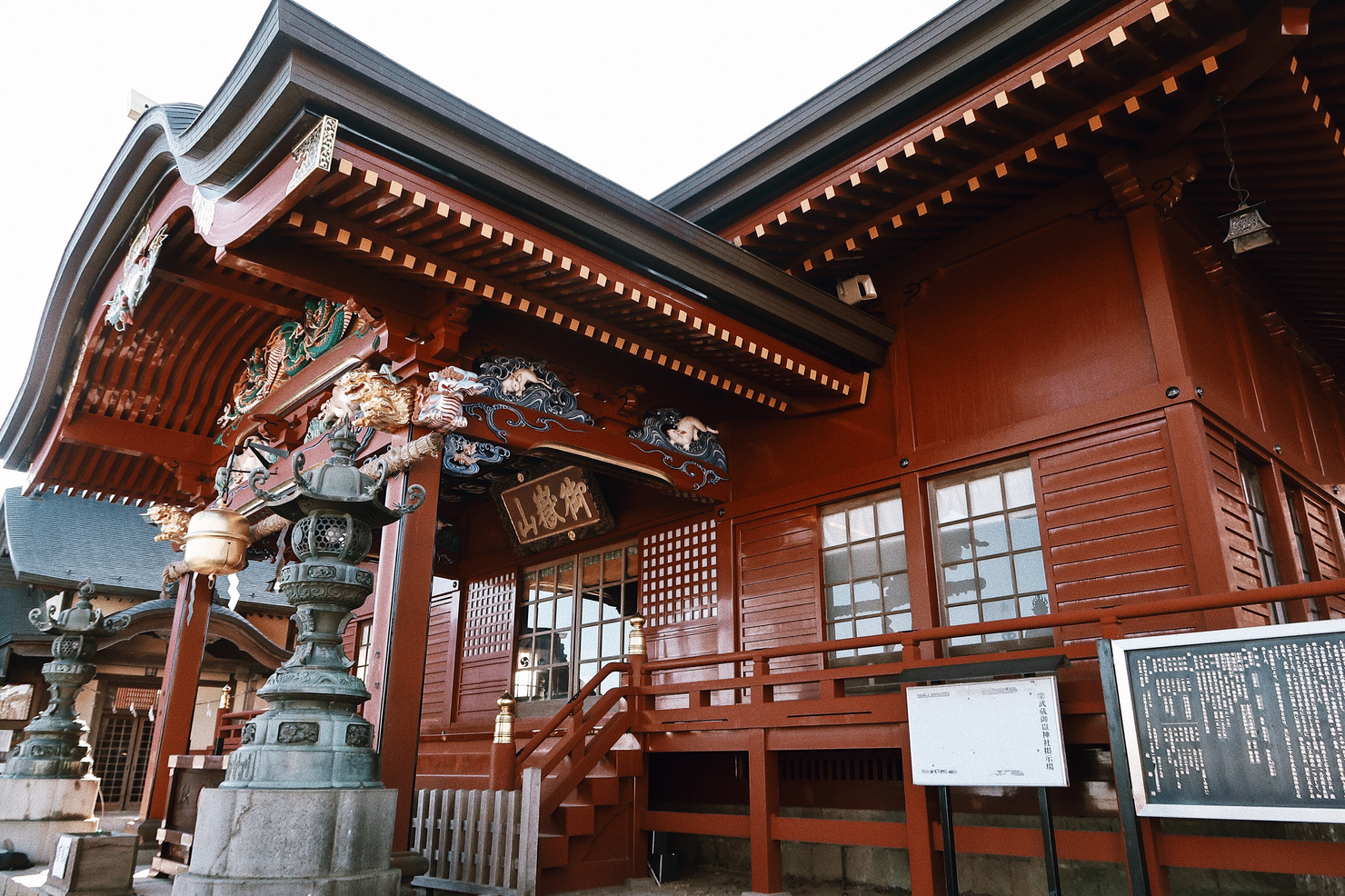
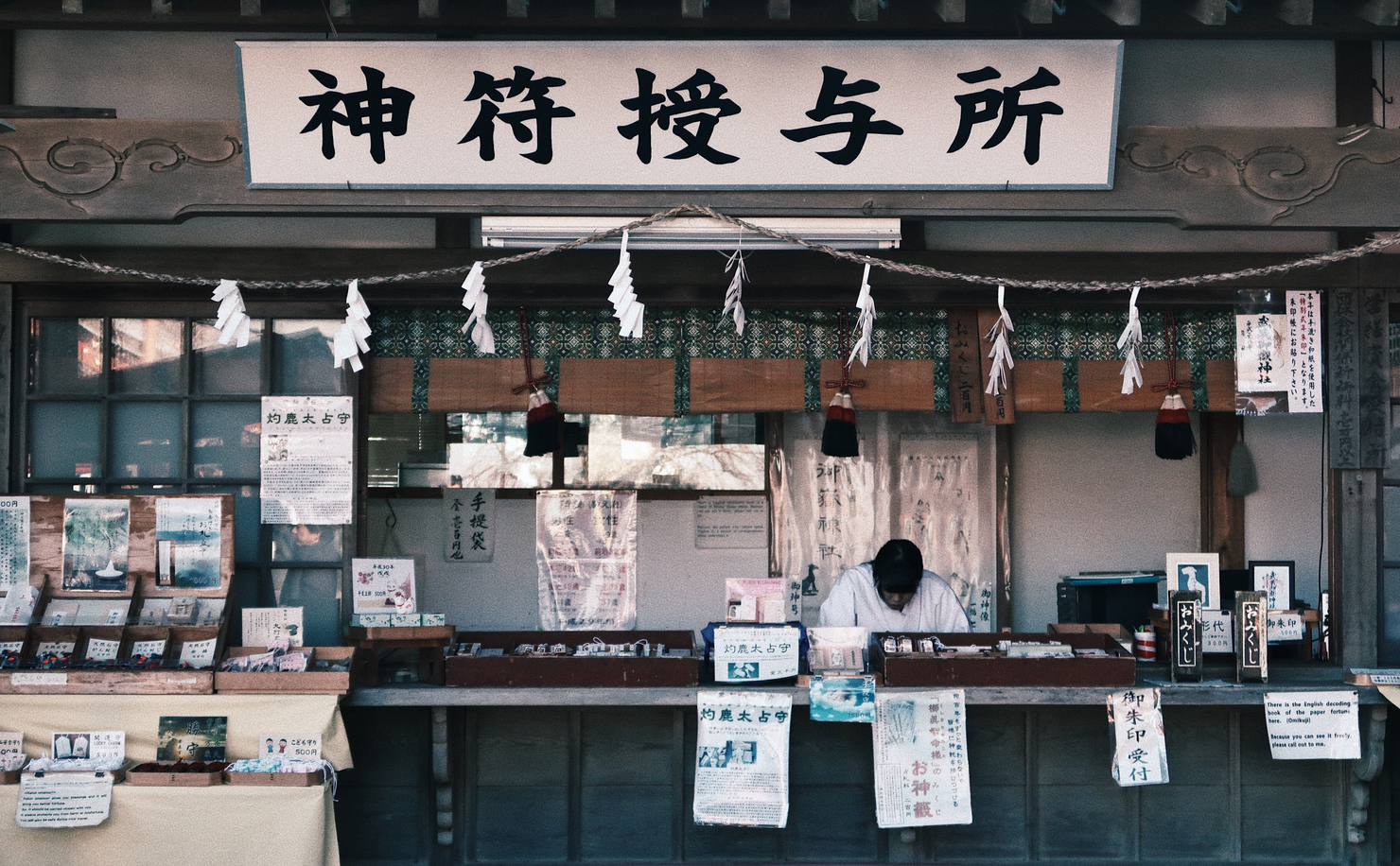
Once you reach the village of Mitake, you will find yourself surrounded by traditional inns, wooden houses, souvenir shops, a few stores, and ramen restaurants. Follow signs towards the shrine, which is worth an exploration. The paths are mostly paved and well-marked in English, so you shouldn’t have much trouble.
NAGAO TAIRA
Walking further, you’ll reach Nagao Taira, a perfect little spot for a rest and a picnic. There weren’t many people at the time we got there, perhaps because we started hiking up late, so everyone else was already on their way back. The area has wooden chairs and tables, and even Wi-Fi!
TENGU ROCK
Along the trail, you will pass by an area that requires holding on to a chain and tree roots, which you will then be rewarded with the only sight of a Tengu statue.
ROCK GARDEN
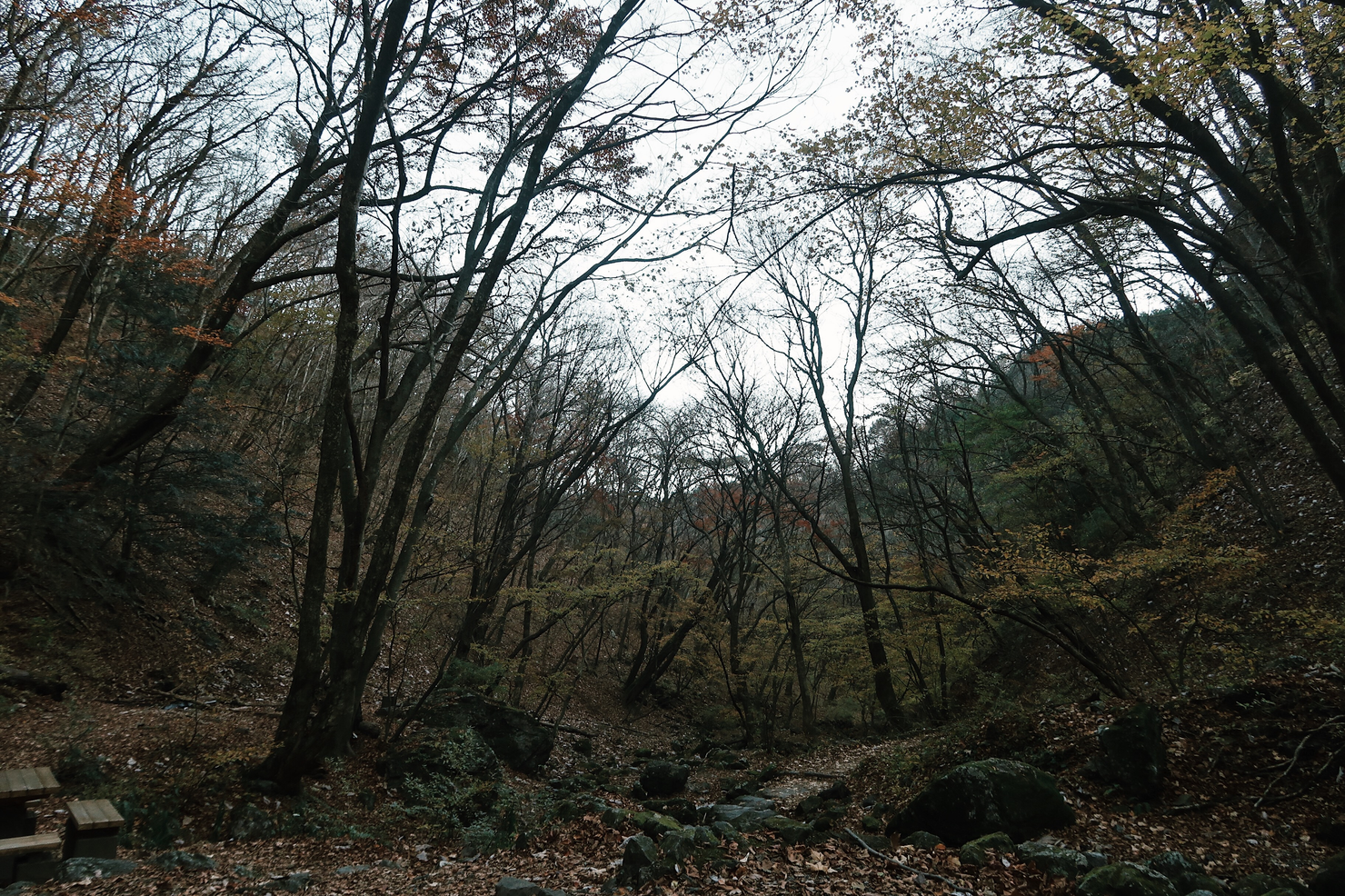
As everyone else is saying, this is the most popular area of the mountain. It literally felt like I was in the middle of nowhere, giving me chills while having a good sight of trees towering over us. I swear to the old gods and the new, this is definitely a perfect place to read a book and meditate for as long as you want. This is where the real trek begins. This is where the actual trek begins. Here, you’ve got two options: a. Get down to the garden where the path snakes its way to a river, crossing back and forth to the waterfall, or b. Carry on! Keep going!
AYASHIRO-NO-TAKI WATERFALL
Now you have to climb back up to the ridge. The passage is steep, but manageable. What I realized and loved about choosing the latter was that once you actually hit the trail out of town, the crowds disappear, and you find yourself in nothing but relative peace.
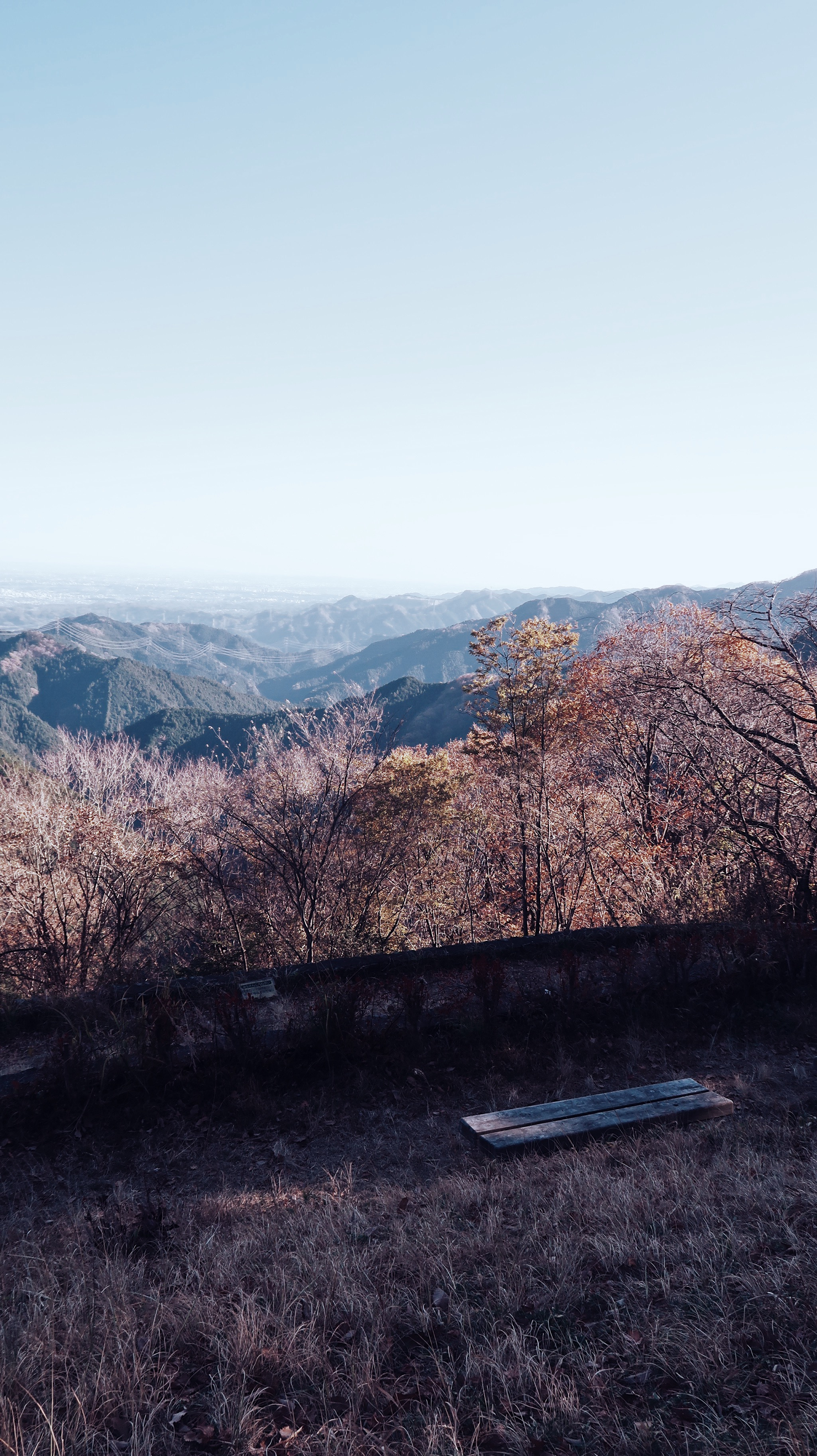
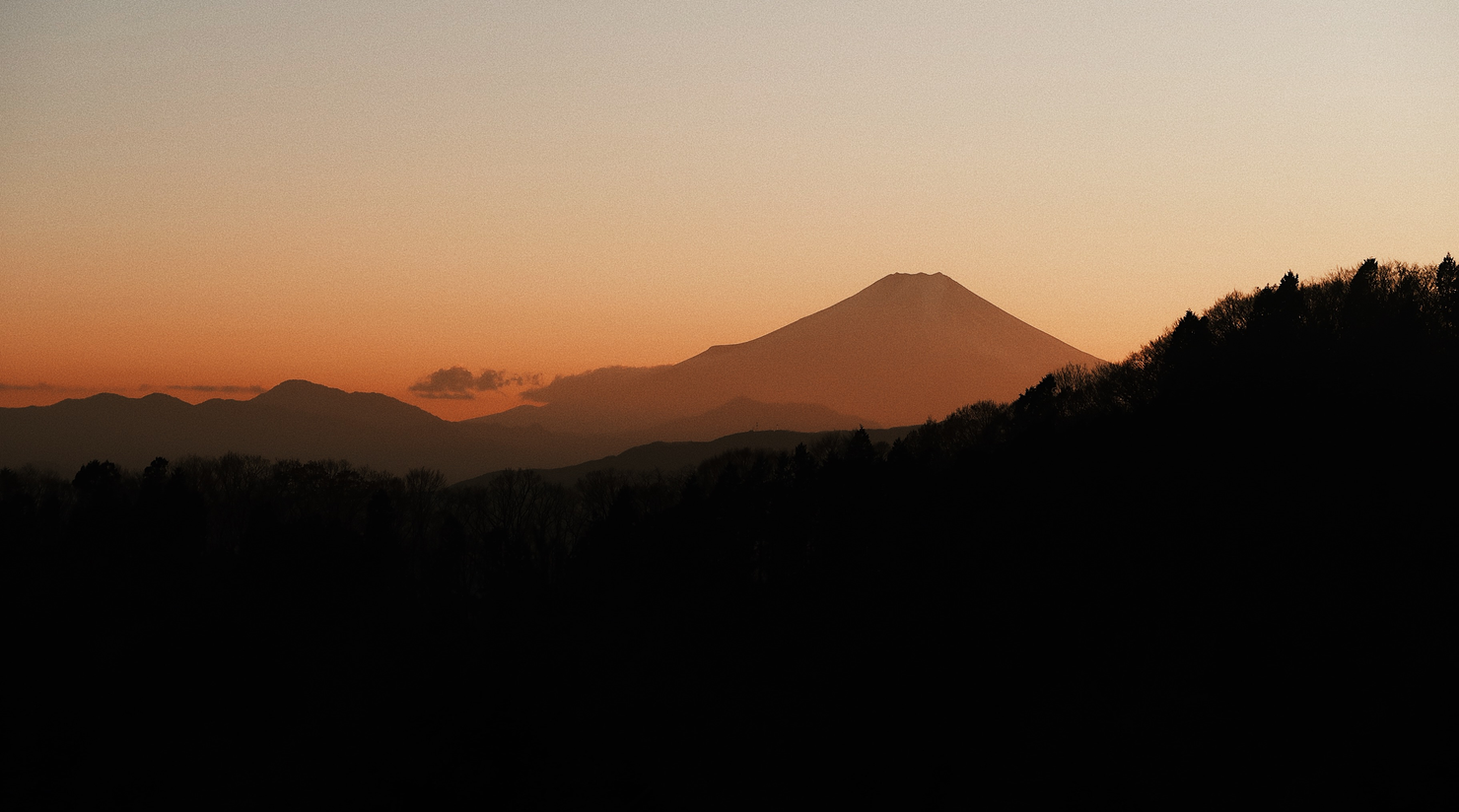
The going was pretty steady, although you will need a breather at some point. But then guess what! We started losing it. From here, the trail led us nowhere. It seemed as though we were hiking for a long time, but there was no sign of Odake’s peak. We had been on our feet for hours before passing by a sign and realizing we were already heading in the wrong direction. Great. Having lost faith in our instincts and with the sky getting dark, we made our descent. The trail continuing up the ridge was the highlight of the hike, with a killer view of Mt. Fuji and some Jeepers-Creepers-with-Cabin-in-the-Woods feels. It was off-limits, but we thought that would make up for the failed attempt. The test of patience was real, but how can you not stay still in awe of this view?
I have to say that I may have underestimated the hike. It wasn’t really a difficult hike, but the ridge is narrow at points, it has several peaks that require a certain foothold, and the trail gets a little tougher and progressively more rugged. Note that you need to pay extra attention so you don’t slip and put yourself in danger of a long fall.
The descent was, of course, more challenging. Running down in the pitch dark to catch the last cable car at 1830 was thrilling, yet fun. Sure, getting down was much faster than hiking up, but not with the time pressure behind us. We took the path along the western ridge rather than the path back down to the rock garden. Luckily, we made it back to Mitake Station and even managed to dine out in Shinjuku.
All in all, it turned out to be a great day hike. This was definitely a highlight of the JP trip! While everyone’s going gaga over Disneyland and Universal, we were in the middle of a quiet misty mountain, with no notifications to check, no iPod to keep me company — just the sound of the wind blowing through the autumn trees, some funny pick-up line stories, and the sky alight. The whole place is very peaceful and truly worth a day trip, especially for those who want to get out of the crowds and city life.
Once you reach the village of Mitake, you will find yourself surrounded by traditional inns, wooden houses, souvenir shops, a few stores, and ramen restaurants. Follow signs towards the shrine, which is worth an exploration. The paths are mostly paved and well-marked in English, so you shouldn’t have much trouble.
NAGAO TAIRA
Walking further, you’ll reach Nagao Taira, a perfect little spot for a rest and a picnic. There weren’t many people at the time we got there, perhaps because we started hiking up late, so everyone else was already on their way back. The area has wooden chairs and tables, and even Wi-Fi!
TENGU ROCK
Along the trail, you will pass by an area that requires holding on to a chain and tree roots, which you will then be rewarded with the only sight of a Tengu statue.
ROCK GARDEN
As everyone else is saying, this is the most popular area of the mountain. It literally felt like I was in the middle of nowhere, giving me chills while having a good sight of trees towering over us. I swear to the old gods and the new, this is definitely a perfect place to read a book and meditate for as long as you want. This is where the real trek begins. This is where the actual trek begins. Here, you’ve got two options: a. Get down to the garden where the path snakes its way to a river, crossing back and forth to the waterfall, or b. Carry on! Keep going!
AYASHIRO-NO-TAKI WATERFALL
Now you have to climb back up to the ridge. The passage is steep, but manageable. What I realized and loved about choosing the latter was that once you actually hit the trail out of town, the crowds disappear, and you find yourself in nothing but relative peace.
The going was pretty steady, although you will need a breather at some point. But then guess what! We started losing it. From here, the trail led us nowhere. It seemed as though we were hiking for a long time, but there was no sign of Odake’s peak. We had been on our feet for hours before passing by a sign and realizing we were already heading in the wrong direction. Great. Having lost faith in our instincts and with the sky getting dark, we made our descent. The trail continuing up the ridge was the highlight of the hike, with a killer view of Mt. Fuji and some Jeepers-Creepers-with-Cabin-in-the-Woods feels. It was off-limits, but we thought that would make up for the failed attempt. The test of patience was real, but how can you not stay still in awe of this view?
I have to say that I may have underestimated the hike. It wasn’t really a difficult hike, but the ridge is narrow at points, it has several peaks that require a certain foothold, and the trail gets a little tougher and progressively more rugged. Note that you need to pay extra attention so you don’t slip and put yourself in danger of a long fall.
The descent was, of course, more challenging. Running down in the pitch dark to catch the last cable car at 1830 was thrilling, yet fun. Sure, getting down was much faster than hiking up, but not with the time pressure behind us. We took the path along the western ridge rather than the path back down to the rock garden. Luckily, we made it back to Mitake Station and even managed to dine out in Shinjuku.
All in all, it turned out to be a great day hike. This was definitely a highlight of the JP trip! While everyone’s going gaga over Disneyland and Universal, we were in the middle of a quiet misty mountain, with no notifications to check, no iPod to keep me company — just the sound of the wind blowing through the autumn trees, some funny pick-up line stories, and the sky alight. The whole place is very peaceful and truly worth a day trip, especially for those who want to get out of the crowds and city life.
To start with, we did not make it to the peak. (fail? you tell me)
When I was booking my flight to Japan, hiking in Tokyo did not cross my mind, not even a single thought of it. Although I was more of the adventure-y type, initially I was just planning to cool down and enjoy the city. But, the man I met asked me how I felt about hiking, and of course, the answer was hell yes.
Japan, a progressive and constantly running forward city, has impressively maintained a balance between modernity and the preservation of its nature. Mountains in an almost pristine form just over an hour away from the famous Shibuya crossing? Are you kidding me? What even surprised me the most was seeing senior citizens hiking without trekking poles.
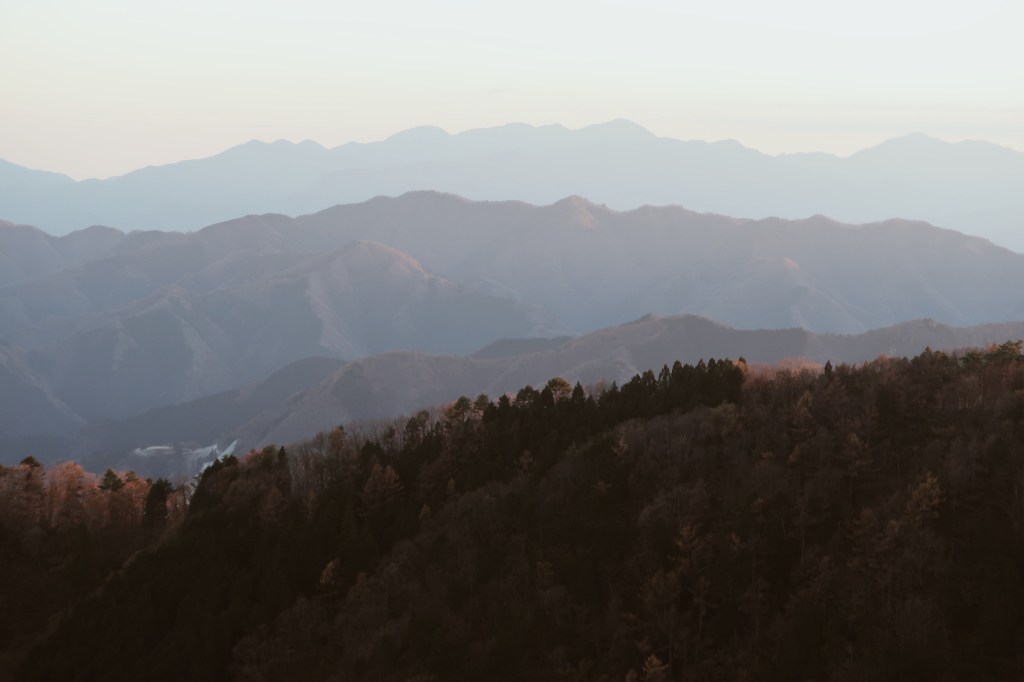
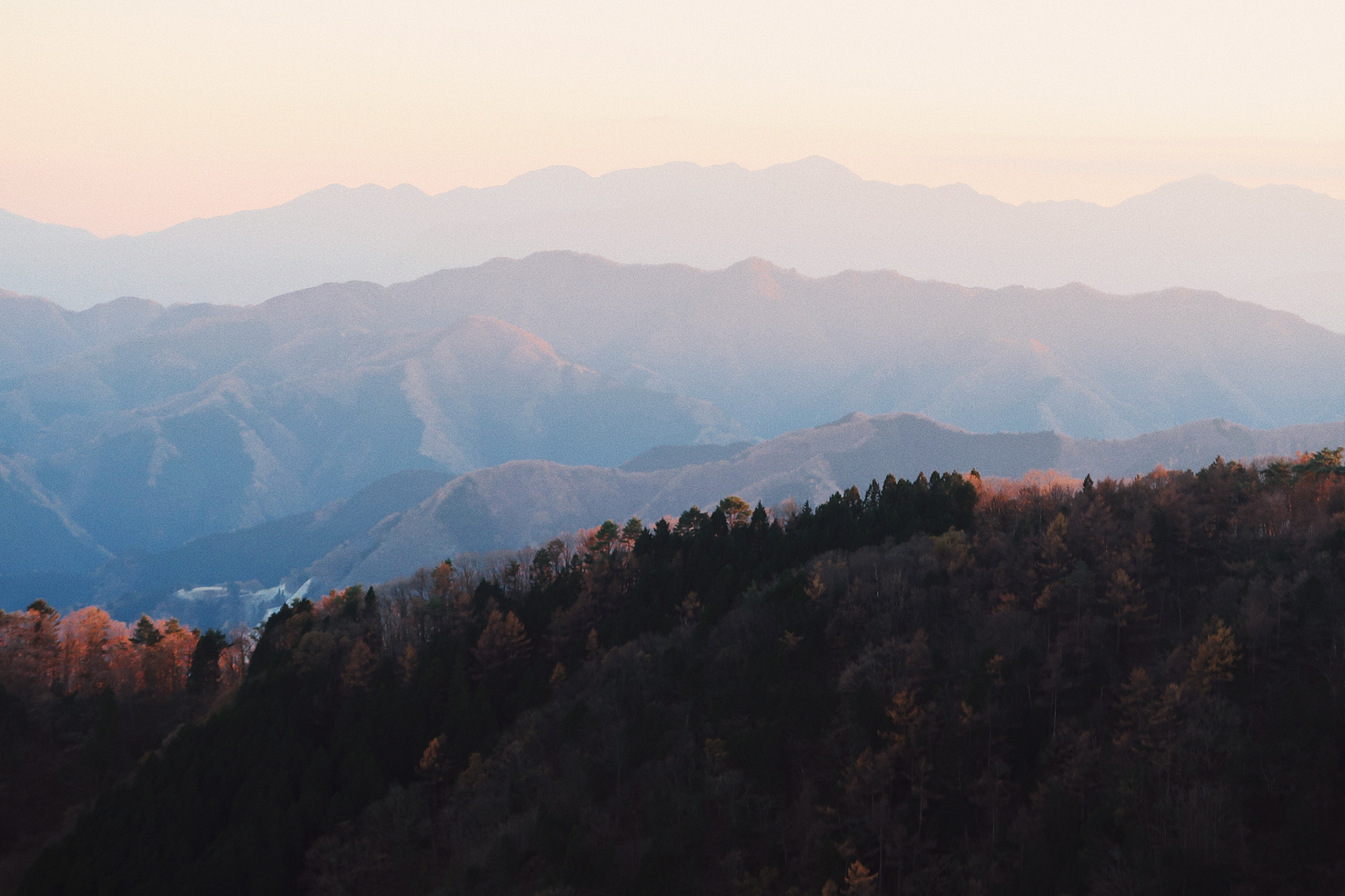
So, just outside of Tokyo’s central district is where you can find the most popular peak at 929m, Mt. Mitake. Surrounding this is Mt. Odake, at 1267m, which lies between Oku-Tama and Hinohara, and whose trail features waterfalls and an incredible view of Mount Fuji. I think we were lucky enough to have arrived at the end of November to see the leaves explode in autumn colors, with striking reds and yellows, making the whole experience even better. I would suggest avoiding long weekends and making an early start to catch the last cable car.
So how did we actually end up getting lost?
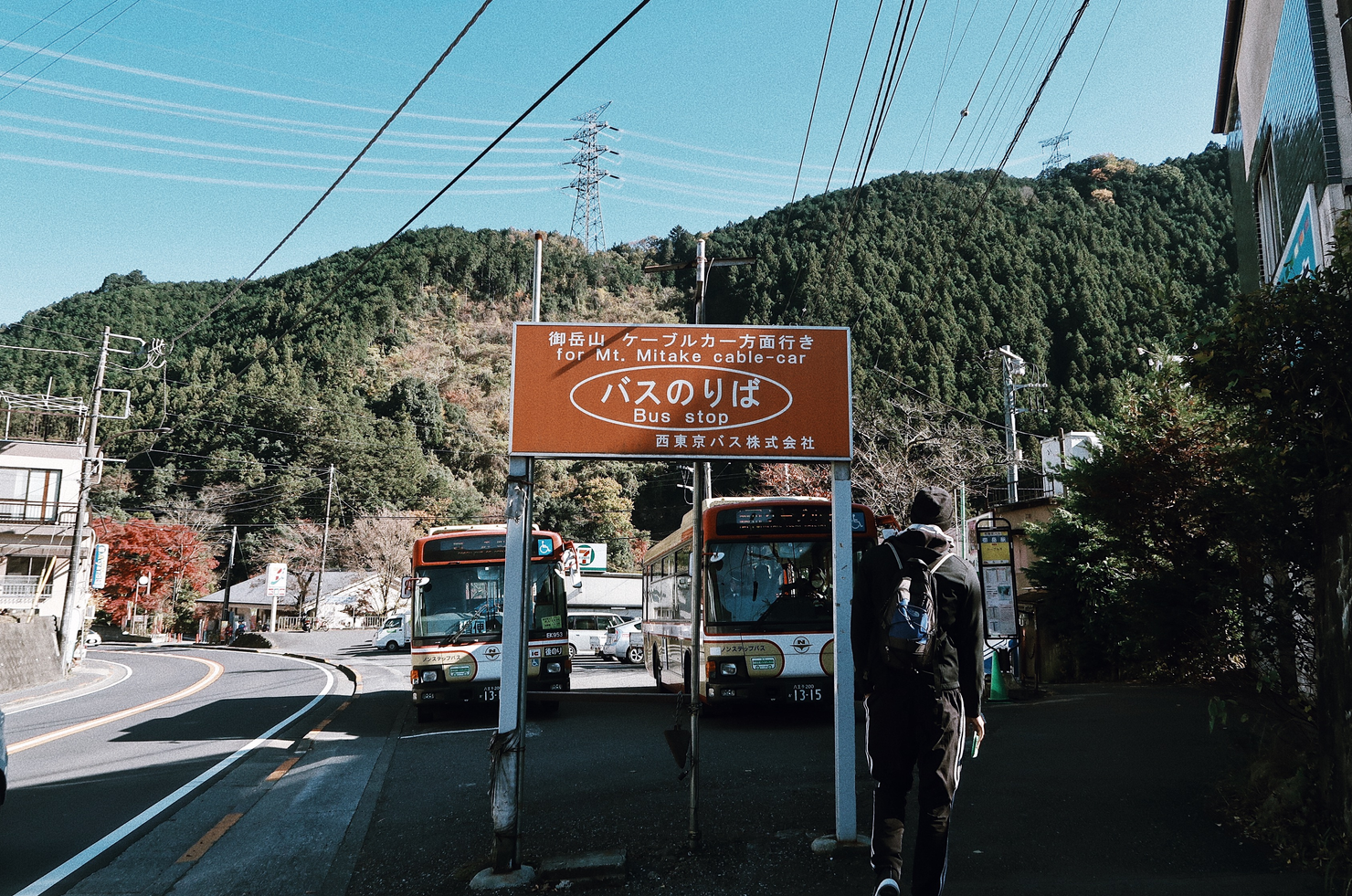
From Central Tokyo, we took the train bound for Mitake Station. There is a bus just outside the station that goes to Ke-buru Shita (cable car station) in 10 minutes for 270 yen (one-way).
The hiking course starts from the cable car which provides access to the mitake village and runs approx. every 15 minutes, costing 570 yen (two-way ticket for 1090 yen). If you prefer not to ride the cable car, you can then walk the 420-metre elevation gain to the upper cable car station, which takes around an hour.
Once you reach the village of Mitake, you will find yourself surrounded by traditional inns, wooden houses, souvenir shops, a few stores, and ramen restaurants. Follow signs towards the shrine, which is worth an exploration. The paths are mostly paved and well-marked in English, so you shouldn’t have much trouble.
NAGAO TAIRA
Walking further, you’ll reach Nagao Taira, a perfect little spot for a rest and a picnic. There weren’t many people at the time we got there, perhaps because we started hiking up late, so everyone else was already on their way back. The area has wooden chairs and tables, and even Wi-Fi!
TENGU ROCK
Along the trail, you will pass by an area that requires holding on to a chain and tree roots, which you will then be rewarded with the only sight of a Tengu statue.
ROCK GARDEN
As everyone else is saying, this is the most popular area of the mountain. It literally felt like I was in the middle of nowhere, giving me chills while having a good sight of trees towering over us. I swear to the old gods and the new, this is definitely a perfect place to read a book and meditate for as long as you want. This is where the real trek begins. This is where the actual trek begins. Here, you’ve got two options: a. Get down to the garden where the path snakes its way to a river, crossing back and forth to the waterfall, or b. Carry on! Keep going!
AYASHIRO-NO-TAKI WATERFALL
Now you have to climb back up to the ridge. The passage is steep, but manageable. What I realized and loved about choosing the latter was that once you actually hit the trail out of town, the crowds disappear, and you find yourself in nothing but relative peace.
The going was pretty steady, although you will need a breather at some point. But then guess what! We started losing it. From here, the trail led us nowhere. It seemed as though we were hiking for a long time, but there was no sign of Odake’s peak. We had been on our feet for hours before passing by a sign and realizing we were already heading in the wrong direction. Great. Having lost faith in our instincts and with the sky getting dark, we made our descent. The trail continuing up the ridge was the highlight of the hike, with a killer view of Mt. Fuji and some Jeepers-Creepers-with-Cabin-in-the-Woods feels. It was off-limits, but we thought that would make up for the failed attempt. The test of patience was real, but how can you not stay still in awe of this view?
I have to say that I may have underestimated the hike. It wasn’t really a difficult hike, but the ridge is narrow at points, it has several peaks that require a certain foothold, and the trail gets a little tougher and progressively more rugged. Note that you need to pay extra attention so you don’t slip and put yourself in danger of a long fall.
The descent was, of course, more challenging. Running down in the pitch dark to catch the last cable car at 1830 was thrilling, yet fun. Sure, getting down was much faster than hiking up, but not with the time pressure behind us. We took the path along the western ridge rather than the path back down to the rock garden. Luckily, we made it back to Mitake Station and even managed to dine out in Shinjuku.
All in all, it turned out to be a great day hike. This was definitely a highlight of the JP trip! While everyone’s going gaga over Disneyland and Universal, we were in the middle of a quiet misty mountain, with no notifications to check, no iPod to keep me company — just the sound of the wind blowing through the autumn trees, some funny pick-up line stories, and the sky alight. The whole place is very peaceful and truly worth a day trip, especially for those who want to get out of the crowds and city life.
Once you reach the village of Mitake, you will find yourself surrounded by traditional inns, wooden houses, souvenir shops, a few stores, and ramen restaurants. Follow signs towards the shrine, which is worth an exploration. The paths are mostly paved and well-marked in English, so you shouldn’t have much trouble.
NAGAO TAIRA
Walking further, you’ll reach Nagao Taira, a perfect little spot for a rest and a picnic. There weren’t many people at the time we got there, perhaps because we started hiking up late, so everyone else was already on their way back. The area has wooden chairs and tables, and even Wi-Fi!
TENGU ROCK
Along the trail, you will pass by an area that requires holding on to a chain and tree roots, which you will then be rewarded with the only sight of a Tengu statue.
ROCK GARDEN
As everyone else is saying, this is the most popular area of the mountain. It literally felt like I was in the middle of nowhere, giving me chills while having a good sight of trees towering over us. I swear to the old gods and the new, this is definitely a perfect place to read a book and meditate for as long as you want. This is where the real trek begins. This is where the actual trek begins. Here, you’ve got two options: a. Get down to the garden where the path snakes its way to a river, crossing back and forth to the waterfall, or b. Carry on! Keep going!
AYASHIRO-NO-TAKI WATERFALL
Now you have to climb back up to the ridge. The passage is steep, but manageable. What I realized and loved about choosing the latter was that once you actually hit the trail out of town, the crowds disappear, and you find yourself in nothing but relative peace.
The going was pretty steady, although you will need a breather at some point. But then guess what! We started losing it. From here, the trail led us nowhere. It seemed as though we were hiking for a long time, but there was no sign of Odake’s peak. We had been on our feet for hours before passing by a sign and realizing we were already heading in the wrong direction. Great. Having lost faith in our instincts and with the sky getting dark, we made our descent. The trail continuing up the ridge was the highlight of the hike, with a killer view of Mt. Fuji and some Jeepers-Creepers-with-Cabin-in-the-Woods feels. It was off-limits, but we thought that would make up for the failed attempt. The test of patience was real, but how can you not stay still in awe of this view?
I have to say that I may have underestimated the hike. It wasn’t really a difficult hike, but the ridge is narrow at points, it has several peaks that require a certain foothold, and the trail gets a little tougher and progressively more rugged. Note that you need to pay extra attention so you don’t slip and put yourself in danger of a long fall.
The descent was, of course, more challenging. Running down in the pitch dark to catch the last cable car at 1830 was thrilling, yet fun. Sure, getting down was much faster than hiking up, but not with the time pressure behind us. We took the path along the western ridge rather than the path back down to the rock garden. Luckily, we made it back to Mitake Station and even managed to dine out in Shinjuku.
All in all, it turned out to be a great day hike. This was definitely a highlight of the JP trip! While everyone’s going gaga over Disneyland and Universal, we were in the middle of a quiet misty mountain, with no notifications to check, no iPod to keep me company — just the sound of the wind blowing through the autumn trees, some funny pick-up line stories, and the sky alight. The whole place is very peaceful and truly worth a day trip, especially for those who want to get out of the crowds and city life.
To start with, we did not make it to the peak. (fail? you tell me)
When I was booking my flight to Japan, hiking in Tokyo did not cross my mind, not even a single thought of it. Although I was more of the adventure-y type, initially I was just planning to cool down and enjoy the city. But, the man I met asked me how I felt about hiking, and of course, the answer was hell yes.
Japan, a progressive and constantly running forward city, has impressively maintained a balance between modernity and the preservation of its nature. Mountains in an almost pristine form just over an hour away from the famous Shibuya crossing? Are you kidding me? What even surprised me the most was seeing senior citizens hiking without trekking poles.
So, just outside of Tokyo’s central district is where you can find the most popular peak at 929m, Mt. Mitake. Surrounding this is Mt. Odake, at 1267m, which lies between Oku-Tama and Hinohara, and whose trail features waterfalls and an incredible view of Mount Fuji. I think we were lucky enough to have arrived at the end of November to see the leaves explode in autumn colors, with striking reds and yellows, making the whole experience even better. I would suggest avoiding long weekends and making an early start to catch the last cable car.
So how did we actually end up getting lost?
From Central Tokyo, we took the train bound for Mitake Station. There is a bus just outside the station that goes to Ke-buru Shita (cable car station) in 10 minutes for 270 yen (one-way).
The hiking course starts from the cable car which provides access to the mitake village and runs approx. every 15 minutes, costing 570 yen (two-way ticket for 1090 yen). If you prefer not to ride the cable car, you can then walk the 420-metre elevation gain to the upper cable car station, which takes around an hour.
Once you reach the village of Mitake, you will find yourself surrounded by traditional inns, wooden houses, souvenir shops, a few stores, and ramen restaurants. Follow signs towards the shrine, which is worth an exploration. The paths are mostly paved and well-marked in English, so you shouldn’t have much trouble.
NAGAO TAIRA
Walking further, you’ll reach Nagao Taira, a perfect little spot for a rest and a picnic. There weren’t many people at the time we got there, perhaps because we started hiking up late, so everyone else was already on their way back. The area has wooden chairs and tables, and even Wi-Fi!
TENGU ROCK
Along the trail, you will pass by an area that requires holding on to a chain and tree roots, which you will then be rewarded with the only sight of a Tengu statue.
ROCK GARDEN
As everyone else is saying, this is the most popular area of the mountain. It literally felt like I was in the middle of nowhere, giving me chills while having a good sight of trees towering over us. I swear to the old gods and the new, this is definitely a perfect place to read a book and meditate for as long as you want. This is where the real trek begins. This is where the actual trek begins. Here, you’ve got two options: a. Get down to the garden where the path snakes its way to a river, crossing back and forth to the waterfall, or b. Carry on! Keep going!
AYASHIRO-NO-TAKI WATERFALL
Now you have to climb back up to the ridge. The passage is steep, but manageable. What I realized and loved about choosing the latter was that once you actually hit the trail out of town, the crowds disappear, and you find yourself in nothing but relative peace.
The going was pretty steady, although you will need a breather at some point. But then guess what! We started losing it. From here, the trail led us nowhere. It seemed as though we were hiking for a long time, but there was no sign of Odake’s peak. We had been on our feet for hours before passing by a sign and realizing we were already heading in the wrong direction. Great. Having lost faith in our instincts and with the sky getting dark, we made our descent. The trail continuing up the ridge was the highlight of the hike, with a killer view of Mt. Fuji and some Jeepers-Creepers-with-Cabin-in-the-Woods feels. It was off-limits, but we thought that would make up for the failed attempt. The test of patience was real, but how can you not stay still in awe of this view?
I have to say that I may have underestimated the hike. It wasn’t really a difficult hike, but the ridge is narrow at points, it has several peaks that require a certain foothold, and the trail gets a little tougher and progressively more rugged. Note that you need to pay extra attention so you don’t slip and put yourself in danger of a long fall.
The descent was, of course, more challenging. Running down in the pitch dark to catch the last cable car at 1830 was thrilling, yet fun. Sure, getting down was much faster than hiking up, but not with the time pressure behind us. We took the path along the western ridge rather than the path back down to the rock garden. Luckily, we made it back to Mitake Station and even managed to dine out in Shinjuku.
All in all, it turned out to be a great day hike. This was definitely a highlight of the JP trip! While everyone’s going gaga over Disneyland and Universal, we were in the middle of a quiet misty mountain, with no notifications to check, no iPod to keep me company — just the sound of the wind blowing through the autumn trees, some funny pick-up line stories, and the sky alight. The whole place is very peaceful and truly worth a day trip, especially for those who want to get out of the crowds and city life.
To start with, we did not make it to the peak. (fail? you tell me)
When I was booking my flight to Japan, hiking in Tokyo did not cross my mind, not even a single thought of it. Although I was more of the adventure-y type, initially I was just planning to cool down and enjoy the city. But, the man I met asked me how I felt about hiking, and of course, the answer was hell yes.
Japan, a progressive and constantly running forward city, has impressively maintained a balance between modernity and the preservation of its nature. Mountains in an almost pristine form just over an hour away from the famous Shibuya crossing? Are you kidding me? What even surprised me the most was seeing senior citizens hiking without trekking poles.
So, just outside of Tokyo’s central district is where you can find the most popular peak at 929m, Mt. Mitake. Surrounding this is Mt. Odake, at 1267m, which lies between Oku-Tama and Hinohara, and whose trail features waterfalls and an incredible view of Mount Fuji. I think we were lucky enough to have arrived at the end of November to see the leaves explode in autumn colors, with striking reds and yellows, making the whole experience even better. I would suggest avoiding long weekends and making an early start to catch the last cable car.
So how did we actually end up getting lost?
From Central Tokyo, we took the train bound for Mitake Station. There is a bus just outside the station that goes to Ke-buru Shita (cable car station) in 10 minutes for 270 yen (one-way).
The hiking course starts from the cable car which provides access to the mitake village and runs approx. every 15 minutes, costing 570 yen (two-way ticket for 1090 yen). If you prefer not to ride the cable car, you can then walk the 420-metre elevation gain to the upper cable car station, which takes around an hour.
Once you reach the village of Mitake, you will find yourself surrounded by traditional inns, wooden houses, souvenir shops, a few stores, and ramen restaurants. Follow signs towards the shrine, which is worth an exploration. The paths are mostly paved and well-marked in English, so you shouldn’t have much trouble.
NAGAO TAIRA
Walking further, you’ll reach Nagao Taira, a perfect little spot for a rest and a picnic. There weren’t many people at the time we got there, perhaps because we started hiking up late, so everyone else was already on their way back. The area has wooden chairs and tables, and even Wi-Fi!
TENGU ROCK
Along the trail, you will pass by an area that requires holding on to a chain and tree roots, which you will then be rewarded with the only sight of a Tengu statue.
ROCK GARDEN
As everyone else is saying, this is the most popular area of the mountain. It literally felt like I was in the middle of nowhere, giving me chills while having a good sight of trees towering over us. I swear to the old gods and the new, this is definitely a perfect place to read a book and meditate for as long as you want. This is where the real trek begins. This is where the actual trek begins. Here, you’ve got two options: a. Get down to the garden where the path snakes its way to a river, crossing back and forth to the waterfall, or b. Carry on! Keep going!
AYASHIRO-NO-TAKI WATERFALL
Now you have to climb back up to the ridge. The passage is steep, but manageable. What I realized and loved about choosing the latter was that once you actually hit the trail out of town, the crowds disappear, and you find yourself in nothing but relative peace.
The going was pretty steady, although you will need a breather at some point. But then guess what! We started losing it. From here, the trail led us nowhere. It seemed as though we were hiking for a long time, but there was no sign of Odake’s peak. We had been on our feet for hours before passing by a sign and realizing we were already heading in the wrong direction. Great. Having lost faith in our instincts and with the sky getting dark, we made our descent. The trail continuing up the ridge was the highlight of the hike, with a killer view of Mt. Fuji and some Jeepers-Creepers-with-Cabin-in-the-Woods feels. It was off-limits, but we thought that would make up for the failed attempt. The test of patience was real, but how can you not stay still in awe of this view?
I have to say that I may have underestimated the hike. It wasn’t really a difficult hike, but the ridge is narrow at points, it has several peaks that require a certain foothold, and the trail gets a little tougher and progressively more rugged. Note that you need to pay extra attention so you don’t slip and put yourself in danger of a long fall.
The descent was, of course, more challenging. Running down in the pitch dark to catch the last cable car at 1830 was thrilling, yet fun. Sure, getting down was much faster than hiking up, but not with the time pressure behind us. We took the path along the western ridge rather than the path back down to the rock garden. Luckily, we made it back to Mitake Station and even managed to dine out in Shinjuku.
All in all, it turned out to be a great day hike. This was definitely a highlight of the JP trip! While everyone’s going gaga over Disneyland and Universal, we were in the middle of a quiet misty mountain, with no notifications to check, no iPod to keep me company — just the sound of the wind blowing through the autumn trees, some funny pick-up line stories, and the sky alight. The whole place is very peaceful and truly worth a day trip, especially for those who want to get out of the crowds and city life.
Once you reach the village of Mitake, you will find yourself surrounded by traditional inns, wooden houses, souvenir shops, a few stores, and ramen restaurants. Follow signs towards the shrine, which is worth an exploration. The paths are mostly paved and well-marked in English, so you shouldn’t have much trouble.
NAGAO TAIRA
Walking further, you’ll reach Nagao Taira, a perfect little spot for a rest and a picnic. There weren’t many people at the time we got there, perhaps because we started hiking up late, so everyone else was already on their way back. The area has wooden chairs and tables, and even Wi-Fi!
TENGU ROCK
Along the trail, you will pass by an area that requires holding on to a chain and tree roots, which you will then be rewarded with the only sight of a Tengu statue.
ROCK GARDEN
As everyone else is saying, this is the most popular area of the mountain. It literally felt like I was in the middle of nowhere, giving me chills while having a good sight of trees towering over us. I swear to the old gods and the new, this is definitely a perfect place to read a book and meditate for as long as you want. This is where the real trek begins. This is where the actual trek begins. Here, you’ve got two options: a. Get down to the garden where the path snakes its way to a river, crossing back and forth to the waterfall, or b. Carry on! Keep going!
AYASHIRO-NO-TAKI WATERFALL
Now you have to climb back up to the ridge. The passage is steep, but manageable. What I realized and loved about choosing the latter was that once you actually hit the trail out of town, the crowds disappear, and you find yourself in nothing but relative peace.
The going was pretty steady, although you will need a breather at some point. But then guess what! We started losing it. From here, the trail led us nowhere. It seemed as though we were hiking for a long time, but there was no sign of Odake’s peak. We had been on our feet for hours before passing by a sign and realizing we were already heading in the wrong direction. Great. Having lost faith in our instincts and with the sky getting dark, we made our descent. The trail continuing up the ridge was the highlight of the hike, with a killer view of Mt. Fuji and some Jeepers-Creepers-with-Cabin-in-the-Woods feels. It was off-limits, but we thought that would make up for the failed attempt. The test of patience was real, but how can you not stay still in awe of this view?
I have to say that I may have underestimated the hike. It wasn’t really a difficult hike, but the ridge is narrow at points, it has several peaks that require a certain foothold, and the trail gets a little tougher and progressively more rugged. Note that you need to pay extra attention so you don’t slip and put yourself in danger of a long fall.
The descent was, of course, more challenging. Running down in the pitch dark to catch the last cable car at 1830 was thrilling, yet fun. Sure, getting down was much faster than hiking up, but not with the time pressure behind us. We took the path along the western ridge rather than the path back down to the rock garden. Luckily, we made it back to Mitake Station and even managed to dine out in Shinjuku.
All in all, it turned out to be a great day hike. This was definitely a highlight of the JP trip! While everyone’s going gaga over Disneyland and Universal, we were in the middle of a quiet misty mountain, with no notifications to check, no iPod to keep me company — just the sound of the wind blowing through the autumn trees, some funny pick-up line stories, and the sky alight. The whole place is very peaceful and truly worth a day trip, especially for those who want to get out of the crowds and city life.
To start with, we did not make it to the peak. (fail? you tell me)
When I was booking my flight to Japan, hiking in Tokyo did not cross my mind, not even a single thought of it. Although I was more of the adventure-y type, initially I was just planning to cool down and enjoy the city. But, the man I met asked me how I felt about hiking, and of course, the answer was hell yes.
Japan, a progressive and constantly running forward city, has impressively maintained a balance between modernity and the preservation of its nature. Mountains in an almost pristine form just over an hour away from the famous Shibuya crossing? Are you kidding me? What even surprised me the most was seeing senior citizens hiking without trekking poles.
So, just outside of Tokyo’s central district is where you can find the most popular peak at 929m, Mt. Mitake. Surrounding this is Mt. Odake, at 1267m, which lies between Oku-Tama and Hinohara, and whose trail features waterfalls and an incredible view of Mount Fuji. I think we were lucky enough to have arrived at the end of November to see the leaves explode in autumn colors, with striking reds and yellows, making the whole experience even better. I would suggest avoiding long weekends and making an early start to catch the last cable car.
So how did we actually end up getting lost?
From Central Tokyo, we took the train bound for Mitake Station. There is a bus just outside the station that goes to Ke-buru Shita (cable car station) in 10 minutes for 270 yen (one-way).
The hiking course starts from the cable car which provides access to the mitake village and runs approx. every 15 minutes, costing 570 yen (two-way ticket for 1090 yen). If you prefer not to ride the cable car, you can then walk the 420-metre elevation gain to the upper cable car station, which takes around an hour.
Once you reach the village of Mitake, you will find yourself surrounded by traditional inns, wooden houses, souvenir shops, a few stores, and ramen restaurants. Follow signs towards the shrine, which is worth an exploration. The paths are mostly paved and well-marked in English, so you shouldn’t have much trouble.
NAGAO TAIRA
Walking further, you’ll reach Nagao Taira, a perfect little spot for a rest and a picnic. There weren’t many people at the time we got there, perhaps because we started hiking up late, so everyone else was already on their way back. The area has wooden chairs and tables, and even Wi-Fi!
TENGU ROCK
Along the trail, you will pass by an area that requires holding on to a chain and tree roots, which you will then be rewarded with the only sight of a Tengu statue.
ROCK GARDEN
As everyone else is saying, this is the most popular area of the mountain. It literally felt like I was in the middle of nowhere, giving me chills while having a good sight of trees towering over us. I swear to the old gods and the new, this is definitely a perfect place to read a book and meditate for as long as you want. This is where the real trek begins. This is where the actual trek begins. Here, you’ve got two options: a. Get down to the garden where the path snakes its way to a river, crossing back and forth to the waterfall, or b. Carry on! Keep going!
AYASHIRO-NO-TAKI WATERFALL
Now you have to climb back up to the ridge. The passage is steep, but manageable. What I realized and loved about choosing the latter was that once you actually hit the trail out of town, the crowds disappear, and you find yourself in nothing but relative peace.
The going was pretty steady, although you will need a breather at some point. But then guess what! We started losing it. From here, the trail led us nowhere. It seemed as though we were hiking for a long time, but there was no sign of Odake’s peak. We had been on our feet for hours before passing by a sign and realizing we were already heading in the wrong direction. Great. Having lost faith in our instincts and with the sky getting dark, we made our descent. The trail continuing up the ridge was the highlight of the hike, with a killer view of Mt. Fuji and some Jeepers-Creepers-with-Cabin-in-the-Woods feels. It was off-limits, but we thought that would make up for the failed attempt. The test of patience was real, but how can you not stay still in awe of this view?
I have to say that I may have underestimated the hike. It wasn’t really a difficult hike, but the ridge is narrow at points, it has several peaks that require a certain foothold, and the trail gets a little tougher and progressively more rugged. Note that you need to pay extra attention so you don’t slip and put yourself in danger of a long fall.
The descent was, of course, more challenging. Running down in the pitch dark to catch the last cable car at 1830 was thrilling, yet fun. Sure, getting down was much faster than hiking up, but not with the time pressure behind us. We took the path along the western ridge rather than the path back down to the rock garden. Luckily, we made it back to Mitake Station and even managed to dine out in Shinjuku.
All in all, it turned out to be a great day hike. This was definitely a highlight of the JP trip! While everyone’s going gaga over Disneyland and Universal, we were in the middle of a quiet misty mountain, with no notifications to check, no iPod to keep me company — just the sound of the wind blowing through the autumn trees, some funny pick-up line stories, and the sky alight. The whole place is very peaceful and truly worth a day trip, especially for those who want to get out of the crowds and city life.
Walking further, you’ll reach Nagao Taira, a perfect little spot for a rest and a picnic. There weren’t many people at the time we got there, perhaps because we started hiking up late, so everyone else was already on their way back. The area has wooden chairs and tables, and even Wi-Fi!
TENGU ROCK
Along the trail, you will pass by an area that requires holding on to a chain and tree roots, which you will then be rewarded with the only sight of a Tengu statue.
ROCK GARDEN
As everyone else is saying, this is the most popular area of the mountain. It literally felt like I was in the middle of nowhere, giving me chills while having a good sight of trees towering over us. I swear to the old gods and the new, this is definitely a perfect place to read a book and meditate for as long as you want. This is where the real trek begins. This is where the actual trek begins. Here, you’ve got two options: a. Get down to the garden where the path snakes its way to a river, crossing back and forth to the waterfall, or b. Carry on! Keep going!
AYASHIRO-NO-TAKI WATERFALL
Now you have to climb back up to the ridge. The passage is steep, but manageable. What I realized and loved about choosing the latter was that once you actually hit the trail out of town, the crowds disappear, and you find yourself in nothing but relative peace.
The going was pretty steady, although you will need a breather at some point. But then guess what! We started losing it. From here, the trail led us nowhere. It seemed as though we were hiking for a long time, but there was no sign of Odake’s peak. We had been on our feet for hours before passing by a sign and realizing we were already heading in the wrong direction. Great. Having lost faith in our instincts and with the sky getting dark, we made our descent. The trail continuing up the ridge was the highlight of the hike, with a killer view of Mt. Fuji and some Jeepers-Creepers-with-Cabin-in-the-Woods feels. It was off-limits, but we thought that would make up for the failed attempt. The test of patience was real, but how can you not stay still in awe of this view?
I have to say that I may have underestimated the hike. It wasn’t really a difficult hike, but the ridge is narrow at points, it has several peaks that require a certain foothold, and the trail gets a little tougher and progressively more rugged. Note that you need to pay extra attention so you don’t slip and put yourself in danger of a long fall.
The descent was, of course, more challenging. Running down in the pitch dark to catch the last cable car at 1830 was thrilling, yet fun. Sure, getting down was much faster than hiking up, but not with the time pressure behind us. We took the path along the western ridge rather than the path back down to the rock garden. Luckily, we made it back to Mitake Station and even managed to dine out in Shinjuku.
All in all, it turned out to be a great day hike. This was definitely a highlight of the JP trip! While everyone’s going gaga over Disneyland and Universal, we were in the middle of a quiet misty mountain, with no notifications to check, no iPod to keep me company — just the sound of the wind blowing through the autumn trees, some funny pick-up line stories, and the sky alight. The whole place is very peaceful and truly worth a day trip, especially for those who want to get out of the crowds and city life.
Once you reach the village of Mitake, you will find yourself surrounded by traditional inns, wooden houses, souvenir shops, a few stores, and ramen restaurants. Follow signs towards the shrine, which is worth an exploration. The paths are mostly paved and well-marked in English, so you shouldn’t have much trouble.
NAGAO TAIRA
Walking further, you’ll reach Nagao Taira, a perfect little spot for a rest and a picnic. There weren’t many people at the time we got there, perhaps because we started hiking up late, so everyone else was already on their way back. The area has wooden chairs and tables, and even Wi-Fi!
TENGU ROCK
Along the trail, you will pass by an area that requires holding on to a chain and tree roots, which you will then be rewarded with the only sight of a Tengu statue.
ROCK GARDEN
As everyone else is saying, this is the most popular area of the mountain. It literally felt like I was in the middle of nowhere, giving me chills while having a good sight of trees towering over us. I swear to the old gods and the new, this is definitely a perfect place to read a book and meditate for as long as you want. This is where the real trek begins. This is where the actual trek begins. Here, you’ve got two options: a. Get down to the garden where the path snakes its way to a river, crossing back and forth to the waterfall, or b. Carry on! Keep going!
AYASHIRO-NO-TAKI WATERFALL
Now you have to climb back up to the ridge. The passage is steep, but manageable. What I realized and loved about choosing the latter was that once you actually hit the trail out of town, the crowds disappear, and you find yourself in nothing but relative peace.
The going was pretty steady, although you will need a breather at some point. But then guess what! We started losing it. From here, the trail led us nowhere. It seemed as though we were hiking for a long time, but there was no sign of Odake’s peak. We had been on our feet for hours before passing by a sign and realizing we were already heading in the wrong direction. Great. Having lost faith in our instincts and with the sky getting dark, we made our descent. The trail continuing up the ridge was the highlight of the hike, with a killer view of Mt. Fuji and some Jeepers-Creepers-with-Cabin-in-the-Woods feels. It was off-limits, but we thought that would make up for the failed attempt. The test of patience was real, but how can you not stay still in awe of this view?
I have to say that I may have underestimated the hike. It wasn’t really a difficult hike, but the ridge is narrow at points, it has several peaks that require a certain foothold, and the trail gets a little tougher and progressively more rugged. Note that you need to pay extra attention so you don’t slip and put yourself in danger of a long fall.
The descent was, of course, more challenging. Running down in the pitch dark to catch the last cable car at 1830 was thrilling, yet fun. Sure, getting down was much faster than hiking up, but not with the time pressure behind us. We took the path along the western ridge rather than the path back down to the rock garden. Luckily, we made it back to Mitake Station and even managed to dine out in Shinjuku.
All in all, it turned out to be a great day hike. This was definitely a highlight of the JP trip! While everyone’s going gaga over Disneyland and Universal, we were in the middle of a quiet misty mountain, with no notifications to check, no iPod to keep me company — just the sound of the wind blowing through the autumn trees, some funny pick-up line stories, and the sky alight. The whole place is very peaceful and truly worth a day trip, especially for those who want to get out of the crowds and city life.
To start with, we did not make it to the peak. (fail? you tell me)
When I was booking my flight to Japan, hiking in Tokyo did not cross my mind, not even a single thought of it. Although I was more of the adventure-y type, initially I was just planning to cool down and enjoy the city. But, the man I met asked me how I felt about hiking, and of course, the answer was hell yes.
Japan, a progressive and constantly running forward city, has impressively maintained a balance between modernity and the preservation of its nature. Mountains in an almost pristine form just over an hour away from the famous Shibuya crossing? Are you kidding me? What even surprised me the most was seeing senior citizens hiking without trekking poles.
So, just outside of Tokyo’s central district is where you can find the most popular peak at 929m, Mt. Mitake. Surrounding this is Mt. Odake, at 1267m, which lies between Oku-Tama and Hinohara, and whose trail features waterfalls and an incredible view of Mount Fuji. I think we were lucky enough to have arrived at the end of November to see the leaves explode in autumn colors, with striking reds and yellows, making the whole experience even better. I would suggest avoiding long weekends and making an early start to catch the last cable car.
So how did we actually end up getting lost?
From Central Tokyo, we took the train bound for Mitake Station. There is a bus just outside the station that goes to Ke-buru Shita (cable car station) in 10 minutes for 270 yen (one-way).
The hiking course starts from the cable car which provides access to the mitake village and runs approx. every 15 minutes, costing 570 yen (two-way ticket for 1090 yen). If you prefer not to ride the cable car, you can then walk the 420-metre elevation gain to the upper cable car station, which takes around an hour.
Once you reach the village of Mitake, you will find yourself surrounded by traditional inns, wooden houses, souvenir shops, a few stores, and ramen restaurants. Follow signs towards the shrine, which is worth an exploration. The paths are mostly paved and well-marked in English, so you shouldn’t have much trouble.
NAGAO TAIRA
Walking further, you’ll reach Nagao Taira, a perfect little spot for a rest and a picnic. There weren’t many people at the time we got there, perhaps because we started hiking up late, so everyone else was already on their way back. The area has wooden chairs and tables, and even Wi-Fi!
TENGU ROCK
Along the trail, you will pass by an area that requires holding on to a chain and tree roots, which you will then be rewarded with the only sight of a Tengu statue.
ROCK GARDEN
As everyone else is saying, this is the most popular area of the mountain. It literally felt like I was in the middle of nowhere, giving me chills while having a good sight of trees towering over us. I swear to the old gods and the new, this is definitely a perfect place to read a book and meditate for as long as you want. This is where the real trek begins. This is where the actual trek begins. Here, you’ve got two options: a. Get down to the garden where the path snakes its way to a river, crossing back and forth to the waterfall, or b. Carry on! Keep going!
AYASHIRO-NO-TAKI WATERFALL
Now you have to climb back up to the ridge. The passage is steep, but manageable. What I realized and loved about choosing the latter was that once you actually hit the trail out of town, the crowds disappear, and you find yourself in nothing but relative peace.
The going was pretty steady, although you will need a breather at some point. But then guess what! We started losing it. From here, the trail led us nowhere. It seemed as though we were hiking for a long time, but there was no sign of Odake’s peak. We had been on our feet for hours before passing by a sign and realizing we were already heading in the wrong direction. Great. Having lost faith in our instincts and with the sky getting dark, we made our descent. The trail continuing up the ridge was the highlight of the hike, with a killer view of Mt. Fuji and some Jeepers-Creepers-with-Cabin-in-the-Woods feels. It was off-limits, but we thought that would make up for the failed attempt. The test of patience was real, but how can you not stay still in awe of this view?
I have to say that I may have underestimated the hike. It wasn’t really a difficult hike, but the ridge is narrow at points, it has several peaks that require a certain foothold, and the trail gets a little tougher and progressively more rugged. Note that you need to pay extra attention so you don’t slip and put yourself in danger of a long fall.
The descent was, of course, more challenging. Running down in the pitch dark to catch the last cable car at 1830 was thrilling, yet fun. Sure, getting down was much faster than hiking up, but not with the time pressure behind us. We took the path along the western ridge rather than the path back down to the rock garden. Luckily, we made it back to Mitake Station and even managed to dine out in Shinjuku.
All in all, it turned out to be a great day hike. This was definitely a highlight of the JP trip! While everyone’s going gaga over Disneyland and Universal, we were in the middle of a quiet misty mountain, with no notifications to check, no iPod to keep me company — just the sound of the wind blowing through the autumn trees, some funny pick-up line stories, and the sky alight. The whole place is very peaceful and truly worth a day trip, especially for those who want to get out of the crowds and city life.
Once you reach the village of Mitake, you will find yourself surrounded by traditional inns, wooden houses, souvenir shops, a few stores, and ramen restaurants. Follow signs towards the shrine, which is worth an exploration. The paths are mostly paved and well-marked in English, so you shouldn’t have much trouble.
NAGAO TAIRA
Walking further, you’ll reach Nagao Taira, a perfect little spot for a rest and a picnic. There weren’t many people at the time we got there, perhaps because we started hiking up late, so everyone else was already on their way back. The area has wooden chairs and tables, and even Wi-Fi!
TENGU ROCK
Along the trail, you will pass by an area that requires holding on to a chain and tree roots, which you will then be rewarded with the only sight of a Tengu statue.
ROCK GARDEN
As everyone else is saying, this is the most popular area of the mountain. It literally felt like I was in the middle of nowhere, giving me chills while having a good sight of trees towering over us. I swear to the old gods and the new, this is definitely a perfect place to read a book and meditate for as long as you want. This is where the real trek begins. This is where the actual trek begins. Here, you’ve got two options: a. Get down to the garden where the path snakes its way to a river, crossing back and forth to the waterfall, or b. Carry on! Keep going!
AYASHIRO-NO-TAKI WATERFALL
Now you have to climb back up to the ridge. The passage is steep, but manageable. What I realized and loved about choosing the latter was that once you actually hit the trail out of town, the crowds disappear, and you find yourself in nothing but relative peace.
The going was pretty steady, although you will need a breather at some point. But then guess what! We started losing it. From here, the trail led us nowhere. It seemed as though we were hiking for a long time, but there was no sign of Odake’s peak. We had been on our feet for hours before passing by a sign and realizing we were already heading in the wrong direction. Great. Having lost faith in our instincts and with the sky getting dark, we made our descent. The trail continuing up the ridge was the highlight of the hike, with a killer view of Mt. Fuji and some Jeepers-Creepers-with-Cabin-in-the-Woods feels. It was off-limits, but we thought that would make up for the failed attempt. The test of patience was real, but how can you not stay still in awe of this view?
I have to say that I may have underestimated the hike. It wasn’t really a difficult hike, but the ridge is narrow at points, it has several peaks that require a certain foothold, and the trail gets a little tougher and progressively more rugged. Note that you need to pay extra attention so you don’t slip and put yourself in danger of a long fall.
The descent was, of course, more challenging. Running down in the pitch dark to catch the last cable car at 1830 was thrilling, yet fun. Sure, getting down was much faster than hiking up, but not with the time pressure behind us. We took the path along the western ridge rather than the path back down to the rock garden. Luckily, we made it back to Mitake Station and even managed to dine out in Shinjuku.
All in all, it turned out to be a great day hike. This was definitely a highlight of the JP trip! While everyone’s going gaga over Disneyland and Universal, we were in the middle of a quiet misty mountain, with no notifications to check, no iPod to keep me company — just the sound of the wind blowing through the autumn trees, some funny pick-up line stories, and the sky alight. The whole place is very peaceful and truly worth a day trip, especially for those who want to get out of the crowds and city life.
To start with, we did not make it to the peak. (fail? you tell me)
When I was booking my flight to Japan, hiking in Tokyo did not cross my mind, not even a single thought of it. Although I was more of the adventure-y type, initially I was just planning to cool down and enjoy the city. But, the man I met asked me how I felt about hiking, and of course, the answer was hell yes.
Japan, a progressive and constantly running forward city, has impressively maintained a balance between modernity and the preservation of its nature. Mountains in an almost pristine form just over an hour away from the famous Shibuya crossing? Are you kidding me? What even surprised me the most was seeing senior citizens hiking without trekking poles.
So, just outside of Tokyo’s central district is where you can find the most popular peak at 929m, Mt. Mitake. Surrounding this is Mt. Odake, at 1267m, which lies between Oku-Tama and Hinohara, and whose trail features waterfalls and an incredible view of Mount Fuji. I think we were lucky enough to have arrived at the end of November to see the leaves explode in autumn colors, with striking reds and yellows, making the whole experience even better. I would suggest avoiding long weekends and making an early start to catch the last cable car.
So how did we actually end up getting lost?
From Central Tokyo, we took the train bound for Mitake Station. There is a bus just outside the station that goes to Ke-buru Shita (cable car station) in 10 minutes for 270 yen (one-way).
The hiking course starts from the cable car which provides access to the mitake village and runs approx. every 15 minutes, costing 570 yen (two-way ticket for 1090 yen). If you prefer not to ride the cable car, you can then walk the 420-metre elevation gain to the upper cable car station, which takes around an hour.
Once you reach the village of Mitake, you will find yourself surrounded by traditional inns, wooden houses, souvenir shops, a few stores, and ramen restaurants. Follow signs towards the shrine, which is worth an exploration. The paths are mostly paved and well-marked in English, so you shouldn’t have much trouble.
NAGAO TAIRA
Walking further, you’ll reach Nagao Taira, a perfect little spot for a rest and a picnic. There weren’t many people at the time we got there, perhaps because we started hiking up late, so everyone else was already on their way back. The area has wooden chairs and tables, and even Wi-Fi!
TENGU ROCK
Along the trail, you will pass by an area that requires holding on to a chain and tree roots, which you will then be rewarded with the only sight of a Tengu statue.
ROCK GARDEN
As everyone else is saying, this is the most popular area of the mountain. It literally felt like I was in the middle of nowhere, giving me chills while having a good sight of trees towering over us. I swear to the old gods and the new, this is definitely a perfect place to read a book and meditate for as long as you want. This is where the real trek begins. This is where the actual trek begins. Here, you’ve got two options: a. Get down to the garden where the path snakes its way to a river, crossing back and forth to the waterfall, or b. Carry on! Keep going!
AYASHIRO-NO-TAKI WATERFALL
Now you have to climb back up to the ridge. The passage is steep, but manageable. What I realized and loved about choosing the latter was that once you actually hit the trail out of town, the crowds disappear, and you find yourself in nothing but relative peace.
The going was pretty steady, although you will need a breather at some point. But then guess what! We started losing it. From here, the trail led us nowhere. It seemed as though we were hiking for a long time, but there was no sign of Odake’s peak. We had been on our feet for hours before passing by a sign and realizing we were already heading in the wrong direction. Great. Having lost faith in our instincts and with the sky getting dark, we made our descent. The trail continuing up the ridge was the highlight of the hike, with a killer view of Mt. Fuji and some Jeepers-Creepers-with-Cabin-in-the-Woods feels. It was off-limits, but we thought that would make up for the failed attempt. The test of patience was real, but how can you not stay still in awe of this view?
I have to say that I may have underestimated the hike. It wasn’t really a difficult hike, but the ridge is narrow at points, it has several peaks that require a certain foothold, and the trail gets a little tougher and progressively more rugged. Note that you need to pay extra attention so you don’t slip and put yourself in danger of a long fall.
The descent was, of course, more challenging. Running down in the pitch dark to catch the last cable car at 1830 was thrilling, yet fun. Sure, getting down was much faster than hiking up, but not with the time pressure behind us. We took the path along the western ridge rather than the path back down to the rock garden. Luckily, we made it back to Mitake Station and even managed to dine out in Shinjuku.
All in all, it turned out to be a great day hike. This was definitely a highlight of the JP trip! While everyone’s going gaga over Disneyland and Universal, we were in the middle of a quiet misty mountain, with no notifications to check, no iPod to keep me company — just the sound of the wind blowing through the autumn trees, some funny pick-up line stories, and the sky alight. The whole place is very peaceful and truly worth a day trip, especially for those who want to get out of the crowds and city life.
To start with, we did not make it to the peak. (fail? you tell me)
When I was booking my flight to Japan, hiking in Tokyo did not cross my mind, not even a single thought of it. Although I was more of the adventure-y type, initially I was just planning to cool down and enjoy the city. But, the man I met asked me how I felt about hiking, and of course, the answer was hell yes.
Japan, a progressive and constantly running forward city, has impressively maintained a balance between modernity and the preservation of its nature. Mountains in an almost pristine form just over an hour away from the famous Shibuya crossing? Are you kidding me? What even surprised me the most was seeing senior citizens hiking without trekking poles.
So, just outside of Tokyo’s central district is where you can find the most popular peak at 929m, Mt. Mitake. Surrounding this is Mt. Odake, at 1267m, which lies between Oku-Tama and Hinohara, and whose trail features waterfalls and an incredible view of Mount Fuji. I think we were lucky enough to have arrived at the end of November to see the leaves explode in autumn colors, with striking reds and yellows, making the whole experience even better. I would suggest avoiding long weekends and making an early start to catch the last cable car.
So how did we actually end up getting lost?
From Central Tokyo, we took the train bound for Mitake Station. There is a bus just outside the station that goes to Ke-buru Shita (cable car station) in 10 minutes for 270 yen (one-way).
The hiking course starts from the cable car which provides access to the mitake village and runs approx. every 15 minutes, costing 570 yen (two-way ticket for 1090 yen). If you prefer not to ride the cable car, you can then walk the 420-metre elevation gain to the upper cable car station, which takes around an hour.
Once you reach the village of Mitake, you will find yourself surrounded by traditional inns, wooden houses, souvenir shops, a few stores, and ramen restaurants. Follow signs towards the shrine, which is worth an exploration. The paths are mostly paved and well-marked in English, so you shouldn’t have much trouble.
NAGAO TAIRA
Walking further, you’ll reach Nagao Taira, a perfect little spot for a rest and a picnic. There weren’t many people at the time we got there, perhaps because we started hiking up late, so everyone else was already on their way back. The area has wooden chairs and tables, and even Wi-Fi!
TENGU ROCK
Along the trail, you will pass by an area that requires holding on to a chain and tree roots, which you will then be rewarded with the only sight of a Tengu statue.
ROCK GARDEN
As everyone else is saying, this is the most popular area of the mountain. It literally felt like I was in the middle of nowhere, giving me chills while having a good sight of trees towering over us. I swear to the old gods and the new, this is definitely a perfect place to read a book and meditate for as long as you want. This is where the real trek begins. This is where the actual trek begins. Here, you’ve got two options: a. Get down to the garden where the path snakes its way to a river, crossing back and forth to the waterfall, or b. Carry on! Keep going!
AYASHIRO-NO-TAKI WATERFALL
Now you have to climb back up to the ridge. The passage is steep, but manageable. What I realized and loved about choosing the latter was that once you actually hit the trail out of town, the crowds disappear, and you find yourself in nothing but relative peace.
The going was pretty steady, although you will need a breather at some point. But then guess what! We started losing it. From here, the trail led us nowhere. It seemed as though we were hiking for a long time, but there was no sign of Odake’s peak. We had been on our feet for hours before passing by a sign and realizing we were already heading in the wrong direction. Great. Having lost faith in our instincts and with the sky getting dark, we made our descent. The trail continuing up the ridge was the highlight of the hike, with a killer view of Mt. Fuji and some Jeepers-Creepers-with-Cabin-in-the-Woods feels. It was off-limits, but we thought that would make up for the failed attempt. The test of patience was real, but how can you not stay still in awe of this view?
I have to say that I may have underestimated the hike. It wasn’t really a difficult hike, but the ridge is narrow at points, it has several peaks that require a certain foothold, and the trail gets a little tougher and progressively more rugged. Note that you need to pay extra attention so you don’t slip and put yourself in danger of a long fall.
The descent was, of course, more challenging. Running down in the pitch dark to catch the last cable car at 1830 was thrilling, yet fun. Sure, getting down was much faster than hiking up, but not with the time pressure behind us. We took the path along the western ridge rather than the path back down to the rock garden. Luckily, we made it back to Mitake Station and even managed to dine out in Shinjuku.
All in all, it turned out to be a great day hike. This was definitely a highlight of the JP trip! While everyone’s going gaga over Disneyland and Universal, we were in the middle of a quiet misty mountain, with no notifications to check, no iPod to keep me company — just the sound of the wind blowing through the autumn trees, some funny pick-up line stories, and the sky alight. The whole place is very peaceful and truly worth a day trip, especially for those who want to get out of the crowds and city life.
Once you reach the village of Mitake, you will find yourself surrounded by traditional inns, wooden houses, souvenir shops, a few stores, and ramen restaurants. Follow signs towards the shrine, which is worth an exploration. The paths are mostly paved and well-marked in English, so you shouldn’t have much trouble.
NAGAO TAIRA
Walking further, you’ll reach Nagao Taira, a perfect little spot for a rest and a picnic. There weren’t many people at the time we got there, perhaps because we started hiking up late, so everyone else was already on their way back. The area has wooden chairs and tables, and even Wi-Fi!
TENGU ROCK
Along the trail, you will pass by an area that requires holding on to a chain and tree roots, which you will then be rewarded with the only sight of a Tengu statue.
ROCK GARDEN
As everyone else is saying, this is the most popular area of the mountain. It literally felt like I was in the middle of nowhere, giving me chills while having a good sight of trees towering over us. I swear to the old gods and the new, this is definitely a perfect place to read a book and meditate for as long as you want. This is where the real trek begins. This is where the actual trek begins. Here, you’ve got two options: a. Get down to the garden where the path snakes its way to a river, crossing back and forth to the waterfall, or b. Carry on! Keep going!
AYASHIRO-NO-TAKI WATERFALL
Now you have to climb back up to the ridge. The passage is steep, but manageable. What I realized and loved about choosing the latter was that once you actually hit the trail out of town, the crowds disappear, and you find yourself in nothing but relative peace.
The going was pretty steady, although you will need a breather at some point. But then guess what! We started losing it. From here, the trail led us nowhere. It seemed as though we were hiking for a long time, but there was no sign of Odake’s peak. We had been on our feet for hours before passing by a sign and realizing we were already heading in the wrong direction. Great. Having lost faith in our instincts and with the sky getting dark, we made our descent. The trail continuing up the ridge was the highlight of the hike, with a killer view of Mt. Fuji and some Jeepers-Creepers-with-Cabin-in-the-Woods feels. It was off-limits, but we thought that would make up for the failed attempt. The test of patience was real, but how can you not stay still in awe of this view?
I have to say that I may have underestimated the hike. It wasn’t really a difficult hike, but the ridge is narrow at points, it has several peaks that require a certain foothold, and the trail gets a little tougher and progressively more rugged. Note that you need to pay extra attention so you don’t slip and put yourself in danger of a long fall.
The descent was, of course, more challenging. Running down in the pitch dark to catch the last cable car at 1830 was thrilling, yet fun. Sure, getting down was much faster than hiking up, but not with the time pressure behind us. We took the path along the western ridge rather than the path back down to the rock garden. Luckily, we made it back to Mitake Station and even managed to dine out in Shinjuku.
All in all, it turned out to be a great day hike. This was definitely a highlight of the JP trip! While everyone’s going gaga over Disneyland and Universal, we were in the middle of a quiet misty mountain, with no notifications to check, no iPod to keep me company — just the sound of the wind blowing through the autumn trees, some funny pick-up line stories, and the sky alight. The whole place is very peaceful and truly worth a day trip, especially for those who want to get out of the crowds and city life.
To start with, we did not make it to the peak. (fail? you tell me)
When I was booking my flight to Japan, hiking in Tokyo did not cross my mind, not even a single thought of it. Although I was more of the adventure-y type, initially I was just planning to cool down and enjoy the city. But, the man I met asked me how I felt about hiking, and of course, the answer was hell yes.
Japan, a progressive and constantly running forward city, has impressively maintained a balance between modernity and the preservation of its nature. Mountains in an almost pristine form just over an hour away from the famous Shibuya crossing? Are you kidding me? What even surprised me the most was seeing senior citizens hiking without trekking poles.
So, just outside of Tokyo’s central district is where you can find the most popular peak at 929m, Mt. Mitake. Surrounding this is Mt. Odake, at 1267m, which lies between Oku-Tama and Hinohara, and whose trail features waterfalls and an incredible view of Mount Fuji. I think we were lucky enough to have arrived at the end of November to see the leaves explode in autumn colors, with striking reds and yellows, making the whole experience even better. I would suggest avoiding long weekends and making an early start to catch the last cable car.
So how did we actually end up getting lost?
From Central Tokyo, we took the train bound for Mitake Station. There is a bus just outside the station that goes to Ke-buru Shita (cable car station) in 10 minutes for 270 yen (one-way).
The hiking course starts from the cable car which provides access to the mitake village and runs approx. every 15 minutes, costing 570 yen (two-way ticket for 1090 yen). If you prefer not to ride the cable car, you can then walk the 420-metre elevation gain to the upper cable car station, which takes around an hour.
Once you reach the village of Mitake, you will find yourself surrounded by traditional inns, wooden houses, souvenir shops, a few stores, and ramen restaurants. Follow signs towards the shrine, which is worth an exploration. The paths are mostly paved and well-marked in English, so you shouldn’t have much trouble.
NAGAO TAIRA
Walking further, you’ll reach Nagao Taira, a perfect little spot for a rest and a picnic. There weren’t many people at the time we got there, perhaps because we started hiking up late, so everyone else was already on their way back. The area has wooden chairs and tables, and even Wi-Fi!
TENGU ROCK
Along the trail, you will pass by an area that requires holding on to a chain and tree roots, which you will then be rewarded with the only sight of a Tengu statue.
ROCK GARDEN
As everyone else is saying, this is the most popular area of the mountain. It literally felt like I was in the middle of nowhere, giving me chills while having a good sight of trees towering over us. I swear to the old gods and the new, this is definitely a perfect place to read a book and meditate for as long as you want. This is where the real trek begins. This is where the actual trek begins. Here, you’ve got two options: a. Get down to the garden where the path snakes its way to a river, crossing back and forth to the waterfall, or b. Carry on! Keep going!
AYASHIRO-NO-TAKI WATERFALL
Now you have to climb back up to the ridge. The passage is steep, but manageable. What I realized and loved about choosing the latter was that once you actually hit the trail out of town, the crowds disappear, and you find yourself in nothing but relative peace.
The going was pretty steady, although you will need a breather at some point. But then guess what! We started losing it. From here, the trail led us nowhere. It seemed as though we were hiking for a long time, but there was no sign of Odake’s peak. We had been on our feet for hours before passing by a sign and realizing we were already heading in the wrong direction. Great. Having lost faith in our instincts and with the sky getting dark, we made our descent. The trail continuing up the ridge was the highlight of the hike, with a killer view of Mt. Fuji and some Jeepers-Creepers-with-Cabin-in-the-Woods feels. It was off-limits, but we thought that would make up for the failed attempt. The test of patience was real, but how can you not stay still in awe of this view?
I have to say that I may have underestimated the hike. It wasn’t really a difficult hike, but the ridge is narrow at points, it has several peaks that require a certain foothold, and the trail gets a little tougher and progressively more rugged. Note that you need to pay extra attention so you don’t slip and put yourself in danger of a long fall.
The descent was, of course, more challenging. Running down in the pitch dark to catch the last cable car at 1830 was thrilling, yet fun. Sure, getting down was much faster than hiking up, but not with the time pressure behind us. We took the path along the western ridge rather than the path back down to the rock garden. Luckily, we made it back to Mitake Station and even managed to dine out in Shinjuku.
All in all, it turned out to be a great day hike. This was definitely a highlight of the JP trip! While everyone’s going gaga over Disneyland and Universal, we were in the middle of a quiet misty mountain, with no notifications to check, no iPod to keep me company — just the sound of the wind blowing through the autumn trees, some funny pick-up line stories, and the sky alight. The whole place is very peaceful and truly worth a day trip, especially for those who want to get out of the crowds and city life.



 a nomad kind of
Leave a comment